Rajasthan, the “Land of Kings,” is not only famous for its magnificent forts, royal palaces, and golden deserts but also for its vibrant festivals. In a state where the climate can be harsh and life revolves around agriculture and traditions, festivals serve as moments of joy, devotion, and cultural expression. They are deeply woven into the social fabric of the people and reflect Rajasthan’s rich heritage, colorful lifestyle, and spiritual depth.
From grand fairs in desert towns to devotional rituals in villages, each festival in Rajasthan has its own story, traditions, and significance. They are more than celebrations—they are a way of life.
In this blog, let’s explore the major festivals of Rajasthan and understand the deeper meanings behind them.
Pushkar Camel Fair – A Cultural Extravaganza
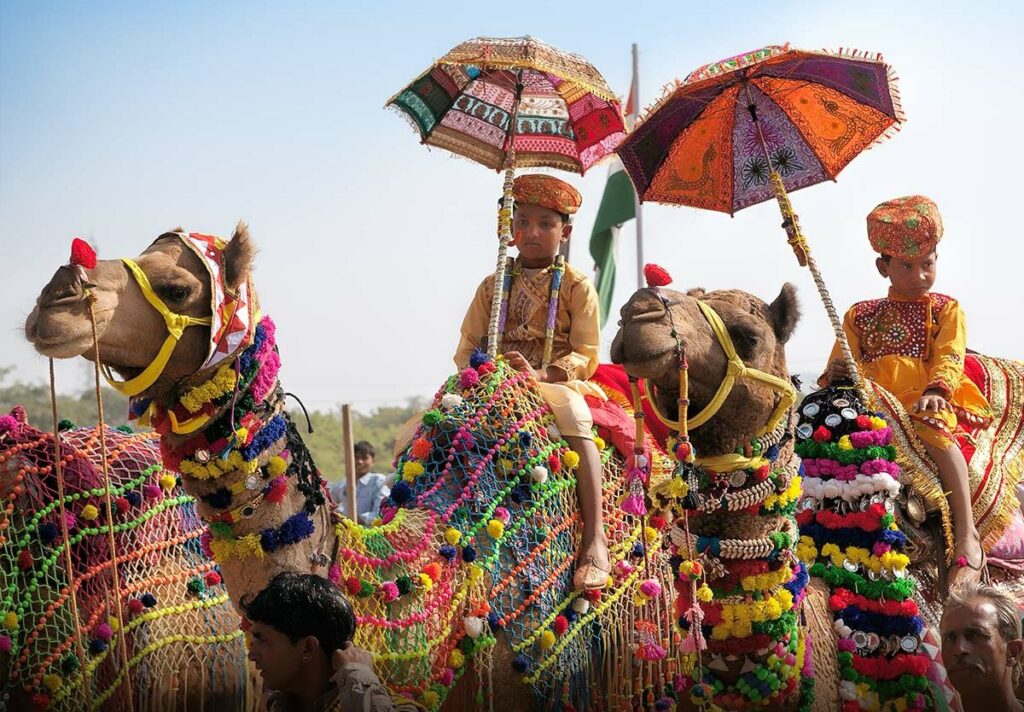
One of the most famous festivals of Rajasthan, the Pushkar Camel Fair, is held annually in the holy town of Pushkar. What began as a simple cattle trading fair has now evolved into an international cultural event.
- Celebration: Thousands of camels, horses, and cattle are brought here for trade, decorated in vibrant colors and ornaments. Alongside the fair, there are folk music and dance performances, camel races, and competitions like “longest mustache” and “matka phod.”
- Significance: The fair coincides with Kartik Purnima, a sacred Hindu festival. Devotees take a holy dip in Pushkar Lake, believed to wash away sins. For traders, it is a vital economic activity; for locals and tourists, it is a cultural spectacle.
Desert Festival – Celebrating Life in the Thar
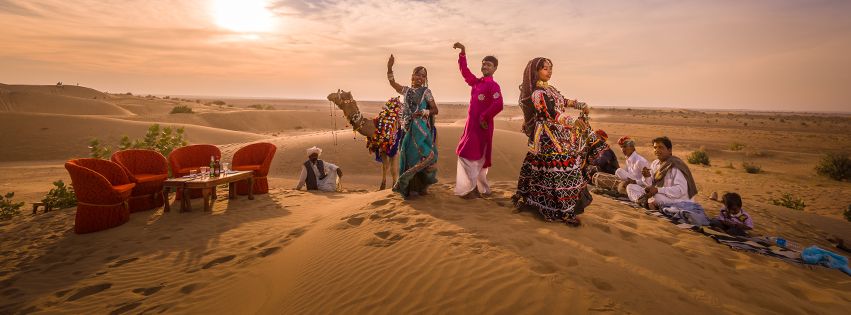
Held in Jaisalmer, the Desert Festival is a vibrant showcase of Rajasthan’s desert culture. The golden dunes of the Thar come alive with colors, music, and traditions.
- Celebration: The festival features folk dances like Gair and Kalbeliya, turban-tying competitions, camel polo, puppet shows, and desert safaris. The grand finale under the full moonlight at Sam Sand Dunes is mesmerizing.
- Significance: It highlights the resilience and creativity of desert communities, showing how they celebrate life despite harsh conditions. It also preserves Rajasthani folk traditions for future generations.
Teej – The Festival of Monsoon and Matrimony
Teej is one of the most celebrated festivals for women in Rajasthan. It is dedicated to Goddess Parvati and her union with Lord Shiva.
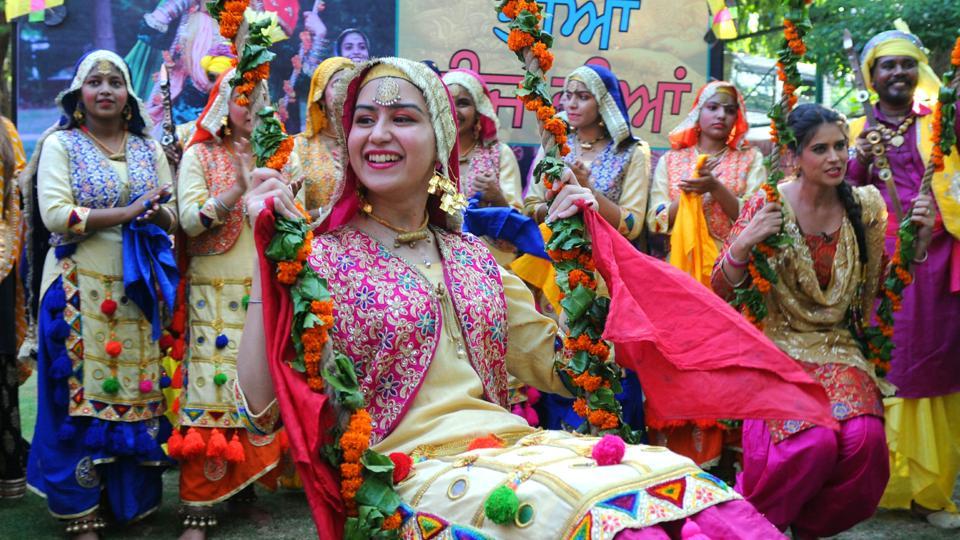
- Celebration: Women dress in green attire, apply mehendi (henna), and participate in swings (jhulas) decorated with flowers. Songs, dances, and processions of Goddess Teej are held in cities like Jaipur. Married women pray for the well-being of their husbands, while unmarried women seek blessings for good spouses.
- Significance: Teej marks the arrival of the monsoon, which is crucial for Rajasthan’s agrarian society. Spiritually, it symbolizes devotion, marital bliss, and the power of feminine strength.
Gangaur – Honoring Love and Fertility
Another major women-centric festival, Gangaur, is dedicated to Goddess Gauri (Parvati), representing purity, love, and fertility.
- Celebration: Women create clay idols of Gauri, decorate them, and carry them in processions. Folk songs and dances add vibrancy to the festival. In Jaipur, Udaipur, and Jodhpur, Gangaur processions are grand events that attract tourists.
- Significance: Married women pray for the long life of their husbands, while unmarried girls seek blessings for a loving partner. It also coincides with the harvest season, symbolizing prosperity and fertility.
Mewar Festival – Welcoming Spring
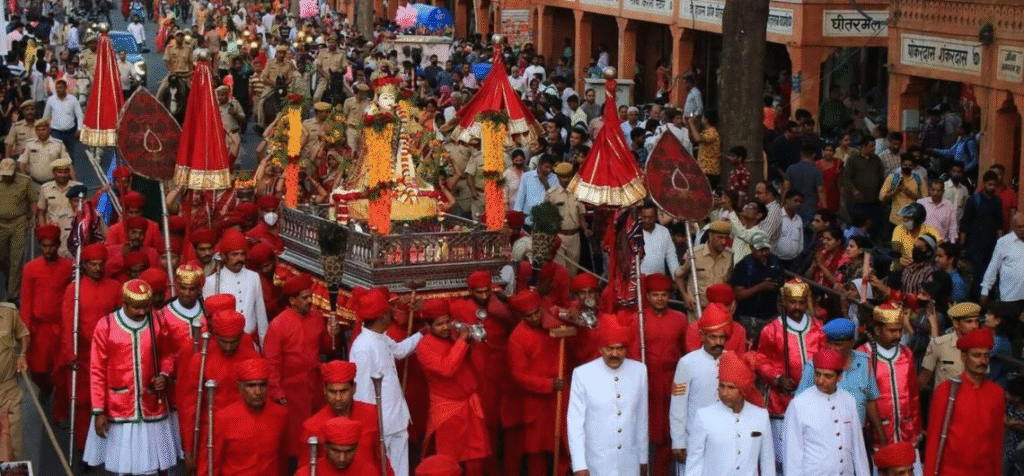
Held in Udaipur, the Mewar Festival coincides with Gangaur and marks the arrival of spring. It is one of the most colorful festivals in the region.
- Celebration: Women carry images of Goddess Gauri in procession to Lake Pichola, followed by music, dance, fireworks, and cultural performances.
- Significance: The festival showcases the cultural richness of Mewar and reflects the community’s gratitude to nature for a new season. It also strengthens social bonds through collective celebrations.
Marwar Festival – A Tribute to Heroes
The Marwar Festival is celebrated in Jodhpur to honor the valor and gallantry of Rajput heroes.
- Celebration: Folk songs and ballads narrate tales of Rajput bravery, accompanied by performances of traditional dances like Kalbeliya and Ghoomar. The Mehrangarh Fort and Umaid Bhawan Palace serve as majestic backdrops.
- Significance: It keeps alive the memory of Rajput warriors who sacrificed their lives for honor and pride. It also instills a sense of heritage and identity among the people.
Kite Festival – Soaring High in Joy
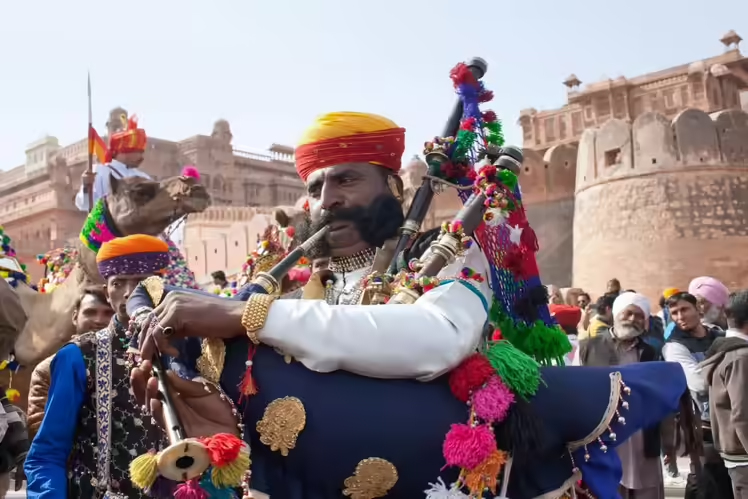
Celebrated on Makar Sankranti (14th January), the Kite Festival in Jaipur and Jodhpur paints the sky with vibrant kites.
- Celebration: Locals and tourists fly kites from rooftops, with competitions adding excitement. The night sky glows with illuminated paper lanterns.
- Significance: The festival marks the change of season and the transition of the sun into Capricorn. It is also seen as a time for renewal, health, and joy.
Why Festivals Matter in Rajasthan
Rajasthan’s festivals are not just celebrations—they serve multiple roles:
- Cultural Preservation – Festivals keep folk art, music, and traditions alive.
- Community Bonding – They strengthen ties among people through collective participation.
- Economic Significance – Events like Pushkar Fair boost tourism and trade.
- Spiritual Meaning – Many festivals express gratitude to deities and nature.
- Tourism Attraction – They showcase Rajasthan’s rich culture to the world.
Conclusion
Rajasthan’s festivals are the heartbeats of its culture. From the grandeur of Pushkar Fair to the devotion of Teej, from the valor celebrated in Marwar Festival to the communal harmony of Urs, each event tells a story. They embody the values of joy, unity, gratitude, and resilience that define the spirit of Rajasthan.
To experience Rajasthan is to witness its festivals—because that’s when the state comes alive in its truest colors, blending history, tradition, and celebration into unforgettable memories.