
A Shopper's Paradise: Uncovering the Treasures of Rajasthan's Vibrant Markets
Beyond the Souvenir: How to Navigate the Colorful Chaos and Find Authentic Rajasthani Crafts
The first thing that strikes you isn’t the sound, but the color. A dazzling cascade of sapphire blue textiles, fiery red turbans, and sunshine-yellow bangles spills out from every shopfront. The air is thick with the scent of sandalwood, spices, and the faint smell of dust. This is shopping in Rajasthan—an experience that engages all your senses. It’s not a chore to be checked off a list; it’s a cultural immersion, a thrilling treasure hunt where the real prize is the memory of the hunt itself. Forget sterile malls; here, the centuries-old markets are the living, breathing heart of the cities, pulsating with energy and artistry.
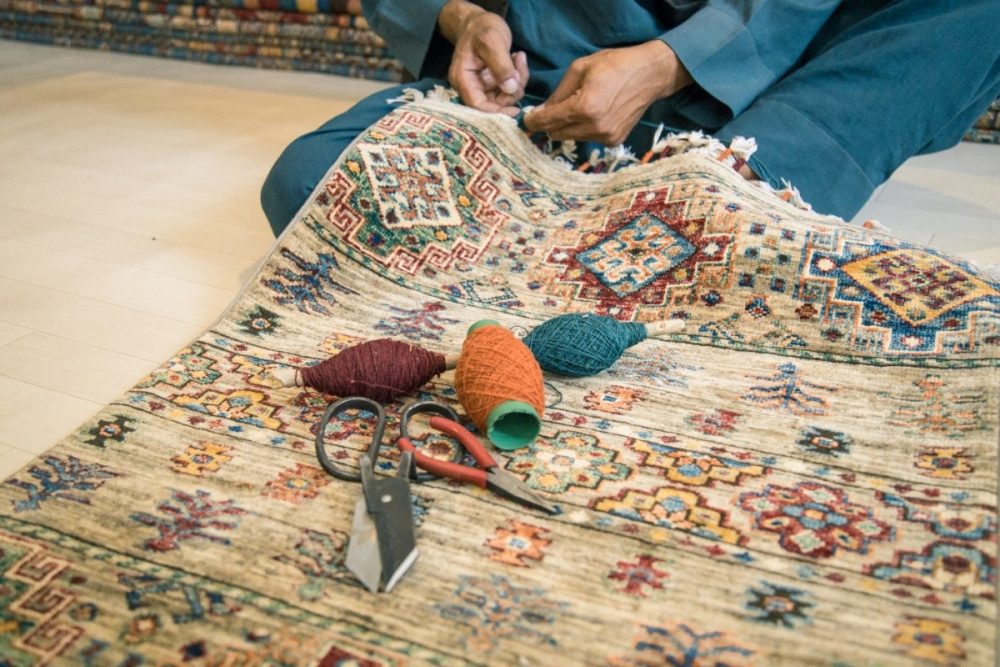
Rajasthani craftsmanship is legendary, passed down through generations. Each city has its own specialty, making every market visit unique. The key is to look beyond the obvious trinkets and discover the stories woven into each item.
- Jaipur: The Gem Capital’s Glittering Bazaars: As the capital, Jaipur is a one-stop shop for everything Rajasthani. The Johari Bazaar is the place for exquisite gemstone jewelry (Kundan, Meenakari) and silver. Bapu Bazaar is famous for its textiles, especially bandhani (tie-dye) and leheriya (wave-patterned) fabrics, leather mojris (footwear), and blue pottery. It’s a fantastic all-rounder for souvenirs.
- Jodhpur: The Blue City’s Artisan Hub: Step into the lanes around the mighty Mehrangarh Fort, and you’ll find the best of Jodhpur’s crafts. The market is renowned for its antiques and curios, beautiful hand-embroidered textiles, and the famous Jodhpuri saddles and boots. Don’t miss the intricate silverware and the unique lac bangles that are a riot of colors.
- Udaipur: The Romantic City’s Delicate Crafts: Udaipur’s markets, like Hathi Pol Bazaar, reflect its lakeside romance. Here, you’ll find miniature paintings depicting royal scenes and gods, a tradition kept alive by local artists. Also look for pichwai paintings (detailed cloth paintings of Lord Krishna), fine pattu sarees, and beautiful silver jewelry.
- Jaisalmer: The Golden City’s Desert Wares: Shopping in Jaisalmer feels like stepping into an Arabian Nights tale. The markets are famous for camel leather products—from journals to bags. You’ll also find stunning hand-woven woolen blankets (durries) and mirror-work embroidery that reflects the desert sun. Thar Desert sand bottles are a unique, if kitschy, souvenir.
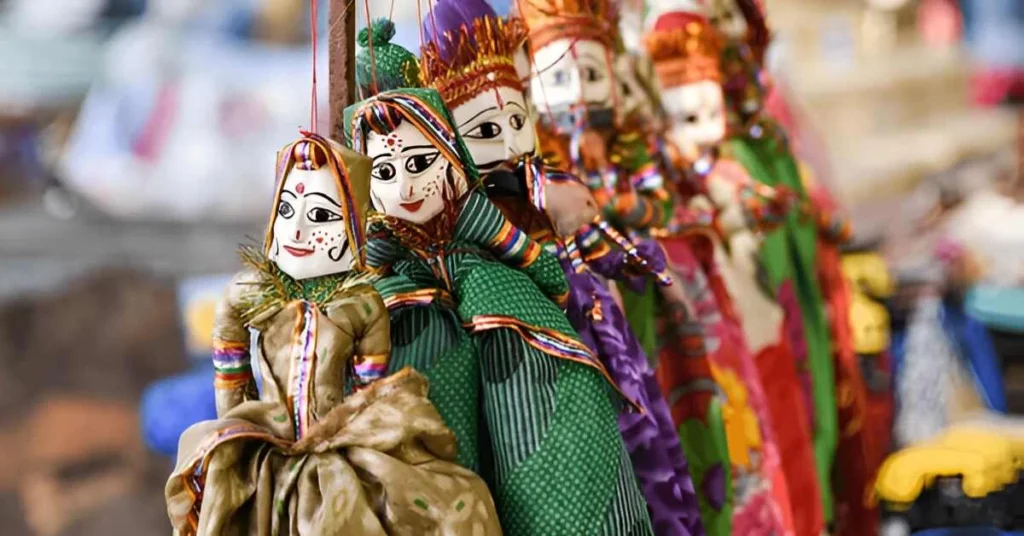
For Traveller: Important Tips
- Bargaining is Expected (and an Art): The first price quoted is rarely the final price. Start by offering 40-50% of the asking price and negotiate with a smile. Be polite but firm. If the price isn’t right, be willing to walk away.
- Cash is King: While larger shops in Jaipur and Udaipur accept cards, smaller vendors and artisans in older markets deal primarily in cash. Always carry sufficient Indian rupees in smaller denominations.
- Check for Authenticity: Mass-produced fakes are common. For high-value items like antiques or fine silver, buy from government-approved emporiums or reputable, established shops. For handicrafts, look for slight imperfections—they are a sign of being handcrafted.
- Quality Over Quantity: It’s better to buy one beautiful, well-made piece than ten cheap, low-quality items. A genuine, hand-block printed textile or a piece of Kundan jewelry will last a lifetime and hold its value.
- Pack Smartly: Remember that your beautiful purchases need to get home! Leave space in your suitcase for fragile items. Consider shipping large items like carpets or paintings directly from the store, as many reputable dealers offer this service.
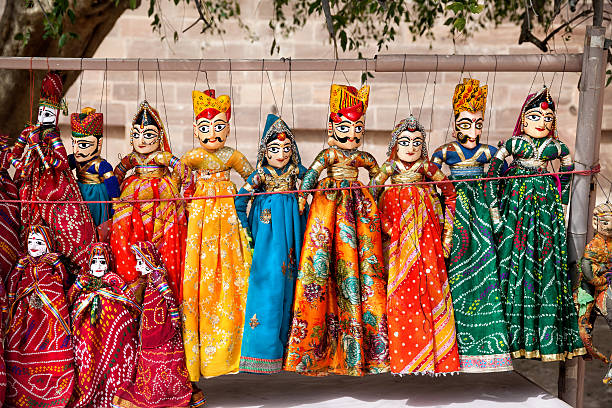
A Shopper's Route Through Rajasthan:
- Start in Jaipur (2-3 days): Your first stop is for the big-ticket items and a wide variety. Explore Johari Bazaar for jewelry, Bapu Bazaar for textiles and general souvenirs, and Kishanpol Bazaar for textiles. This is your best chance to compare quality and prices.
- Then to Jodhpur (2 days): Focus on unique finds. Explore the Sardar Market near the clock tower for spices, textiles, and silver. The lanes leading up to the fort are perfect for antiques and leather goods.
- On to Udaipur (2 days): Hunt for delicate art. Hathi Pol Bazaar is ideal for miniature paintings and fine crafts. The Shilpgram Crafts Village on the outskirts is a fantastic open-air museum with artisans working live and selling directly.
- End in Jaisalmer (2 days): Go for rustic, desert-inspired pieces. The main market streets inside the fort and around the town square are filled with shops selling camel leather, woolen durries, and embroidery.
Shopping in Rajasthan is a direct connection to its living artistic heritage. The vibrant markets are not just commercial centers but repositories of skills recognized globally. In fact, several Rajasthani crafts like Kota Doria weaving and Molela clay work hold Geographical Indication (GI) tags, certifying their unique origin and quality. From the intricate block printing techniques of Bagru and Sanganer, which use natural dyes, to the precise gem-cutting that made Jaipur famous, every purchase supports a centuries-old tradition. So, dive into the colorful chaos, engage with the artisans, and take home a piece of Rajasthan’s soul—a tangible memory of its incredible artistry.