
Discover Rajasthan
Wildlife And Desert Safari.
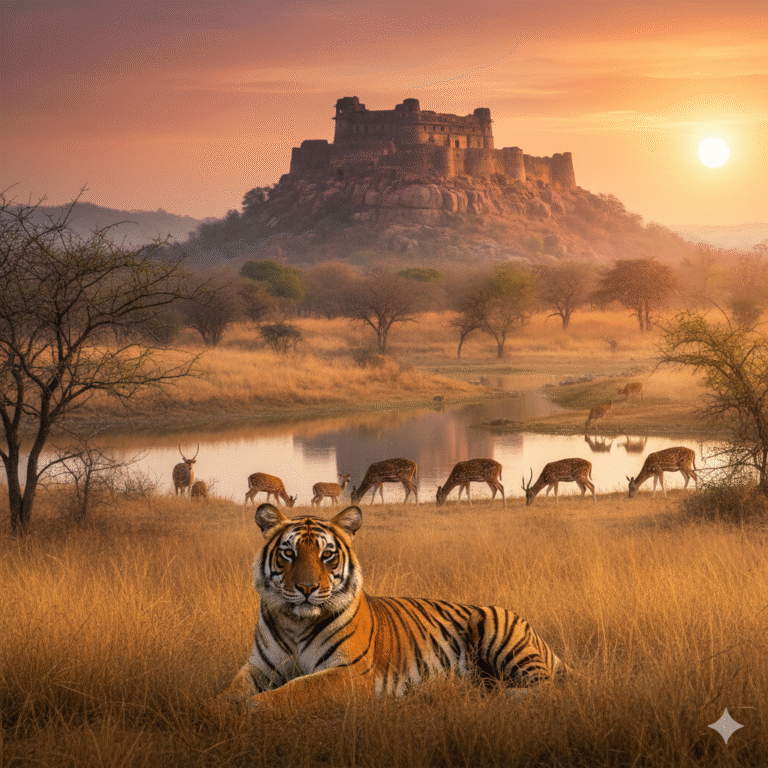
Rajasthan, popularly called the Land of Kings, is world-famous for its forts, palaces, and golden sands. Yet, beyond its royal heritage, the state holds another treasure—its rich wildlife. With its diverse geography ranging from the Aravalli Hills to the Thar Desert, Rajasthan shelters majestic tigers, leopards, antelopes, and rare birds. Its national parks and wildlife sanctuaries are some of the most visited in India, attracting tourists, researchers, and nature photographers from across the globe.
Discover Rajasthan Ranthambore National Park
History & Establishment
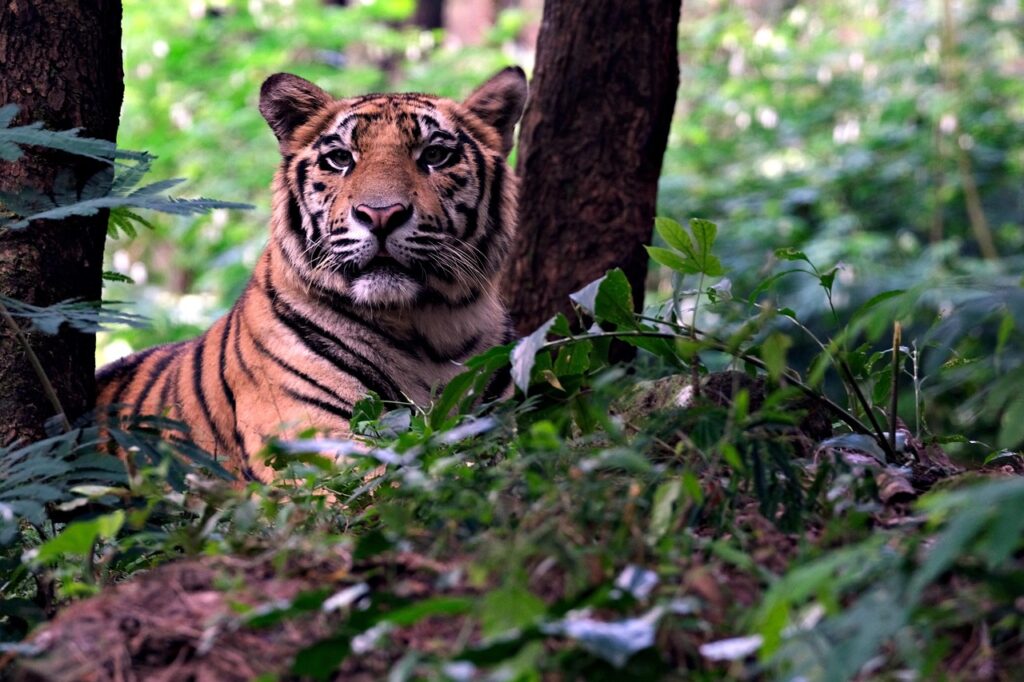
Once the exclusive hunting grounds of the Maharajas of Jaipur, Ranthambore was declared a wildlife sanctuary in 1955. It gained international importance when it became part of Project Tiger in 1973, and was later declared a national park in 1980. Covering 1,334 sq km, it is today one of India’s most renowned tiger reserves.
Flora & Fauna
The park is dominated by dry deciduous forests and lakes, home to Bengal tigers, leopards, marsh crocodiles, sloth bears, chinkaras, and over 300 bird species. The Padam Talao lake is famous for sightings of animals cooling off, while the ancient Ranthambore Fort (10th century) offers sweeping views.
Visitor Information
Safari Timings:
- Morning: 6:00 AM – 10:00 AM
- Evening: 2:30 PM – 6:30 PM
Tickets & Safaris:
- Jeep Safari: ₹1,000–₹1,500 for Indians, ₹2,500–₹3,000 for foreigners.
- Canter Safari: Larger group vehicle, more affordable.
Best Time: October – June. Tigers are most active in summer months near water bodies.
Nearby Hotels & Attractions
Hotels: Oberoi Vanyavilas, Ranthambore Forest Resort, Tiger Moon Resort, and budget lodges in Sawai Madhopur.
Nearby Attractions: Trinetra Ganesh Temple inside Ranthambore Fort, Jogi Mahal on Padam Talao’s edge.
Sariska Tiger Reserve
History & Establishment
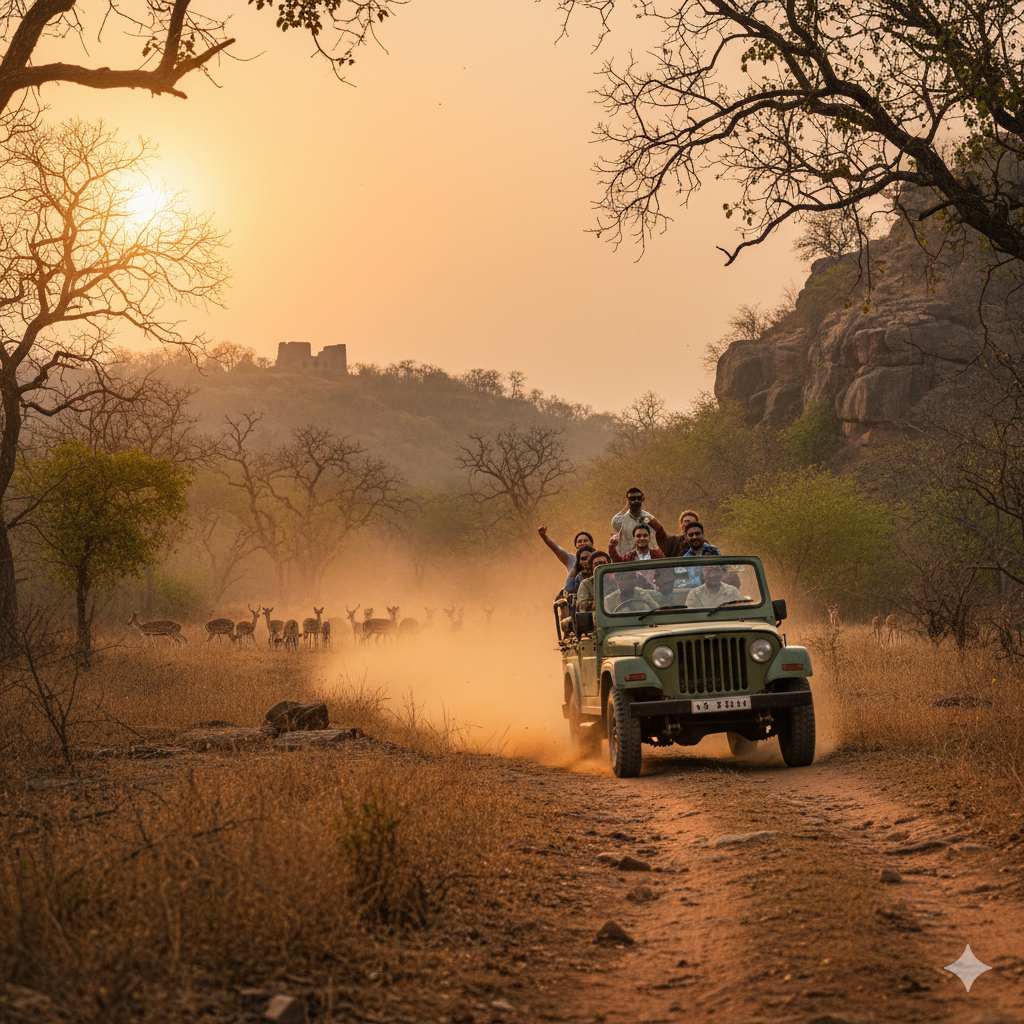
Located in the Alwar district, Sariska was once the royal hunting estate of Alwar’s rulers. Declared a wildlife sanctuary in 1955, it became a tiger reserve in 1978 and was later upgraded to a national park in 1982.
Flora & Fauna
The reserve is spread across 866 sq km, with landscapes of dry deciduous forests, rocky hills, and grasslands. It shelters Royal Bengal tigers, leopards, hyenas, jungle cats, jackals, nilgai, and a wide variety of birds such as peafowls and sandgrouse.
Visitor Information
Safari Timings:
- Morning: 6:30 AM – 10:00 AM
- Evening: 2:30 PM – 6:00 PM
Tickets & Safaris:
- Entry: ₹100 for Indians; foreign visitors pay slightly more.
- Jeep/Canter safari: ₹2,500–₹4,000 per vehicle.
Best Time: October – March (pleasant weather).
Nearby Hotels & Attractions
- Hotels: Sariska Safari Lodge, Alwar Bagh, and mid-range hotels in Alwar city.
- Nearby Attractions: Kankwari Fort (within the park), Pandupol Temple, and Siliserh Lake nearby.
Keoladeo Ghana National Park (Bharatpur Bird Sanctuary)
History & Establishment
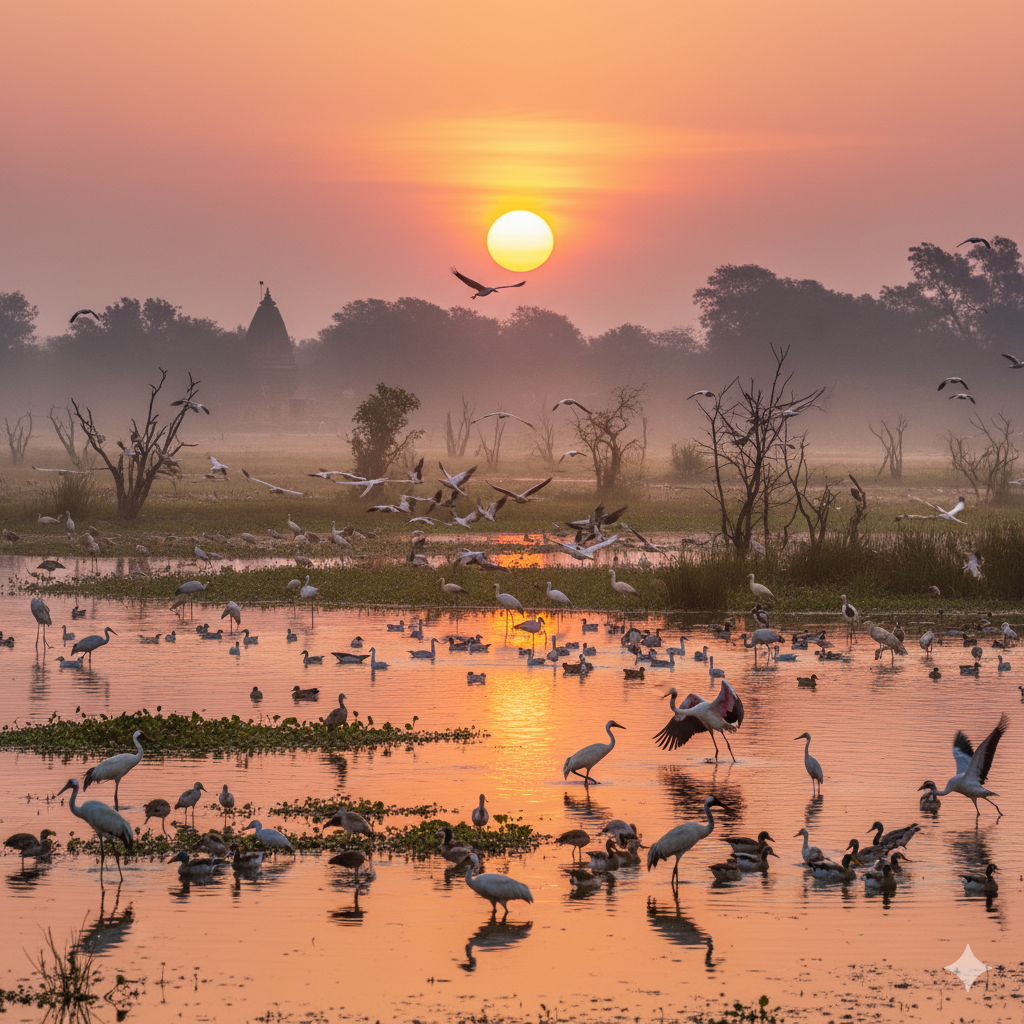
Keoladeo is unique because it is a man-made wetland, developed in the 18th century by Maharaja Suraj Mal of Bharatpur to attract migratory waterfowl for hunting. Declared a bird sanctuary in 1956 and a national park in 1982, it was recognised as a UNESCO World Heritage Site in 1985.
Flora & Fauna
Spread across 29 sq km, the park is home to over 370 bird species, including rare migratory birds such as Siberian cranes, pelicans, herons, and painted storks. It also houses reptiles, deer, and wild boars.
Visitor Information
- Timings: Open year-round, sunrise to sunset.
- Tickets:
- Indians: ₹50 approx.
- Foreigners: ₹400 approx.
- Indians: ₹50 approx.
- Unique Experiences: Cycle rickshaw rides with trained guides, nature walks, and photography tours.
Nearby Hotels & Attractions
- Hotels: Laxmi Vilas Palace, Hotel Sunbird, and affordable lodges in Bharatpur.
Nearby Attractions: Bharatpur Palace and Museum, Deeg Palace, Fatehpur Sikri (just 22 km away).
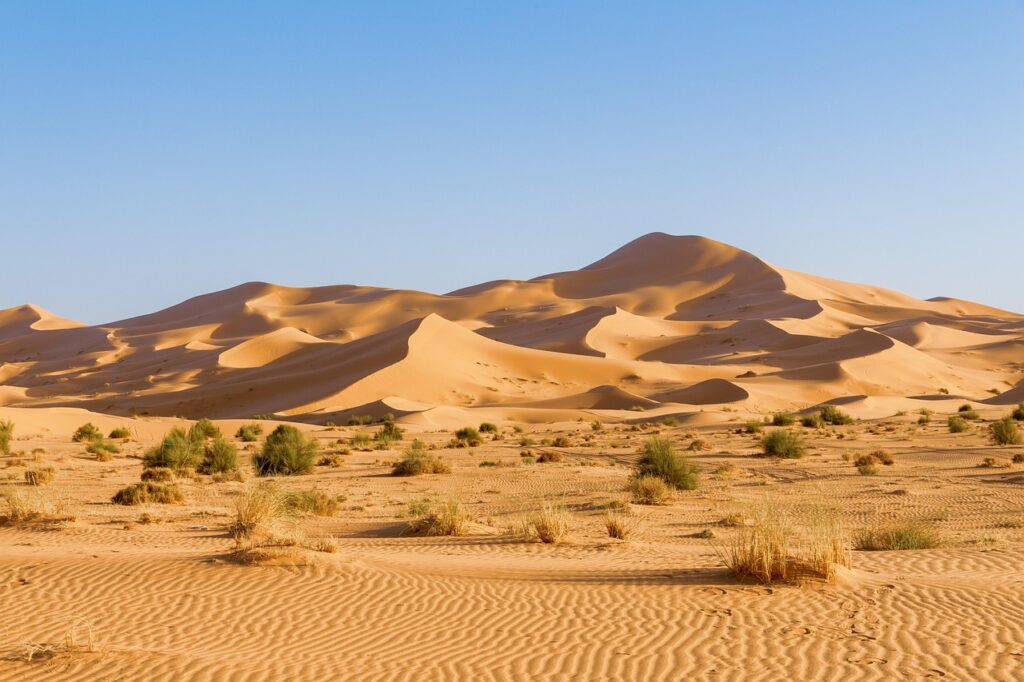
Desert National Park, Jaisalmer
History & Establishment
Established in 1980, Desert National Park covers 3,162 sq km of the Thar Desert. The park was created to protect desert wildlife and is famous for harbouring fossils dating back 180 million years.
Flora & Fauna
Though vegetation is sparse, the park supports desert-adapted species like the Great Indian Bustard, desert foxes, chinkaras, spiny-tailed lizards, and golden eagles.
Visitor Information
- Timings: 6:00 AM – 6:00 PM.
- Tickets: ₹100 for Indians, ₹300 for foreigners.
- Activities: Jeep safaris and camel rides across the sand dunes.
Nearby Hotels & Attractions
- Hotels: Suryagarh Jaisalmer, desert camps in Sam Sand Dunes, and havelis in Jaisalmer city.
Nearby Attractions: Jaisalmer Fort, Patwon Ki Haveli, Gadisar Lake.
Machia Biological Park, Jodhpur
History & Establishment
The Machia Biological Park was developed by the Rajasthan Forest Department as a modern zoological and conservation centre, officially opened in 2016. It was designed both for tourism and to educate visitors about desert and semi-arid wildlife.
Flora & Fauna
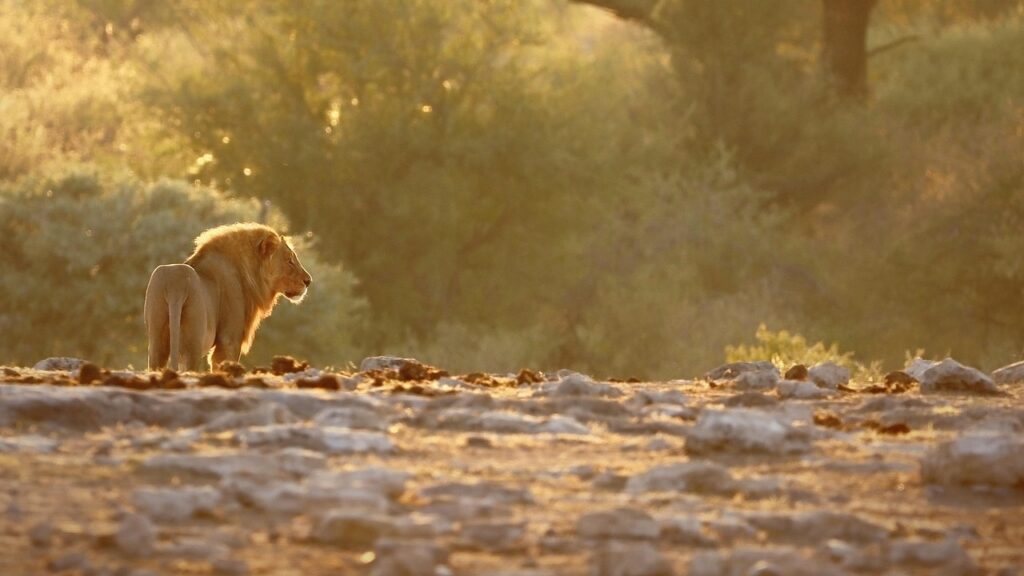
The park houses lions, leopards, desert foxes, deer, porcupines, and a wide range of bird species. It also includes a nature interpretation centre for students and researchers.
Visitor Information
- Timings:
- Summer: 8:00 AM – 6:00 PM
- Winter: 8:30 AM – 5:00 PM
- Summer: 8:00 AM – 6:00 PM
- Tickets: ₹30 for Indians; ₹300 for foreigners.
Nearby Hotels & Attractions
- Hotels: Umaid Bhawan Palace, heritage hotels in Jodhpur, and budget lodges near the city centre.
Nearby Attractions: Kaylana Lake, Mehrangarh Fort, Jaswant Thada.
Other Notable Sanctuaries in Rajasthan
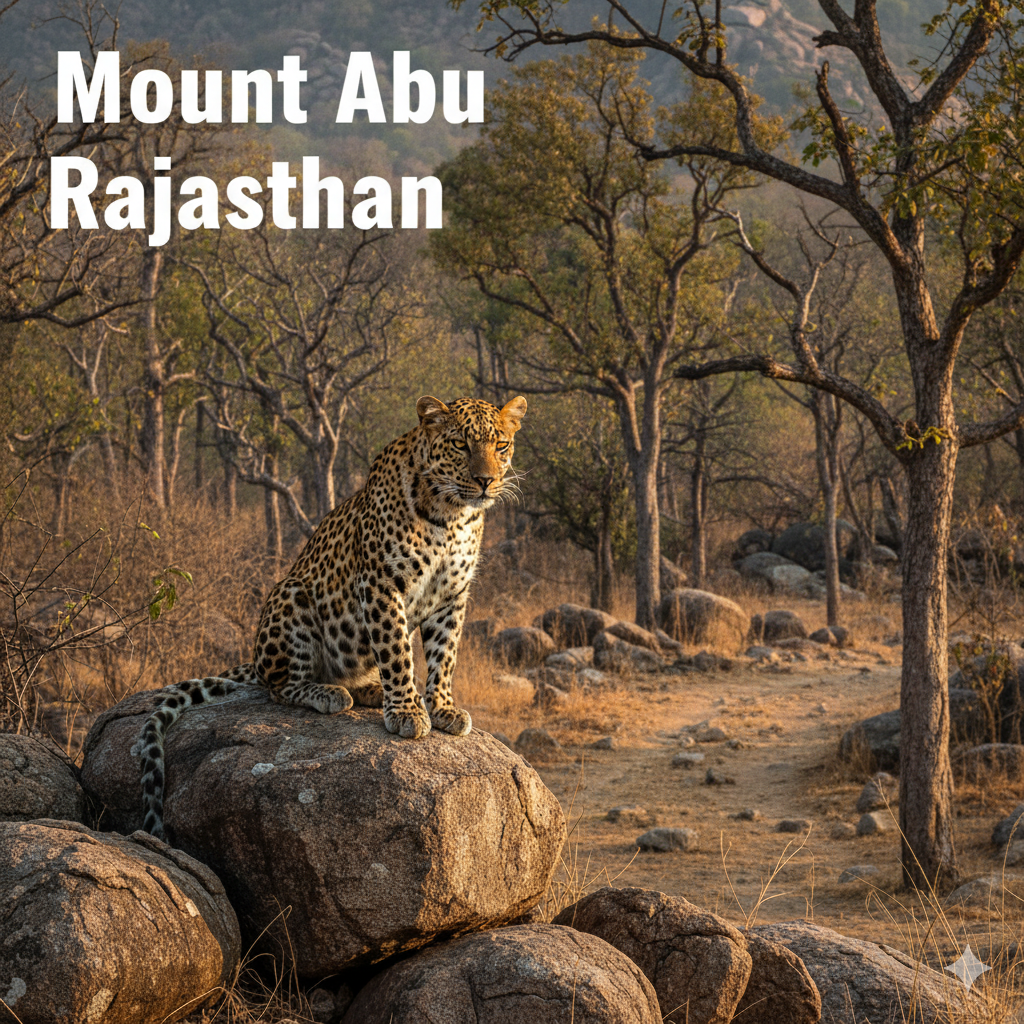
- Mount Abu Wildlife Sanctuary: Established in 1960, known for Indian leopards, sloth bears, and orchids.
- Kumbhalgarh Wildlife Sanctuary: Famous for wolves, leopards, and its scenic landscape around Kumbhalgarh Fort.
- Darrah Wildlife Sanctuary (Mukundra Hills): Established in 1955, now a tiger reserve since 2013.

Tips for Planning Your Wildlife Tour in Rajasthan
- Book Safaris Early: Ranthambore and Sariska safaris sell out months in advance in peak season.
- Travel Seasons:
- October to March: Best for comfort and migratory birds.
- April to June: Hot but higher chance of tiger sightings.
- October to March: Best for comfort and migratory birds.
- Choose the Right Safari: Jeeps are flexible; canters are more budget-friendly.
- Carry Essentials: Binoculars, sunscreen, hats, and water bottles are must-haves.
- Eco-Friendly Travel: Respect rules, avoid littering, and maintain silence during safaris.
- Stay Nearby: Lodges near park gates save travel time and allow early safari starts.
- Local Guides: Hiring trained naturalists enhances the experience with wildlife insights.