Rajasthan: The Land of Kings

Explore the vibrant culture, majestic forts, and rich heritage of India’s largest state

Welcome to Rajasthan

              Discover the mesmerizing land of deserts, palaces, and colorful traditions that tell the                           story of India’s royal past and vibrant present.

About Rajasthan

About Rajasthan

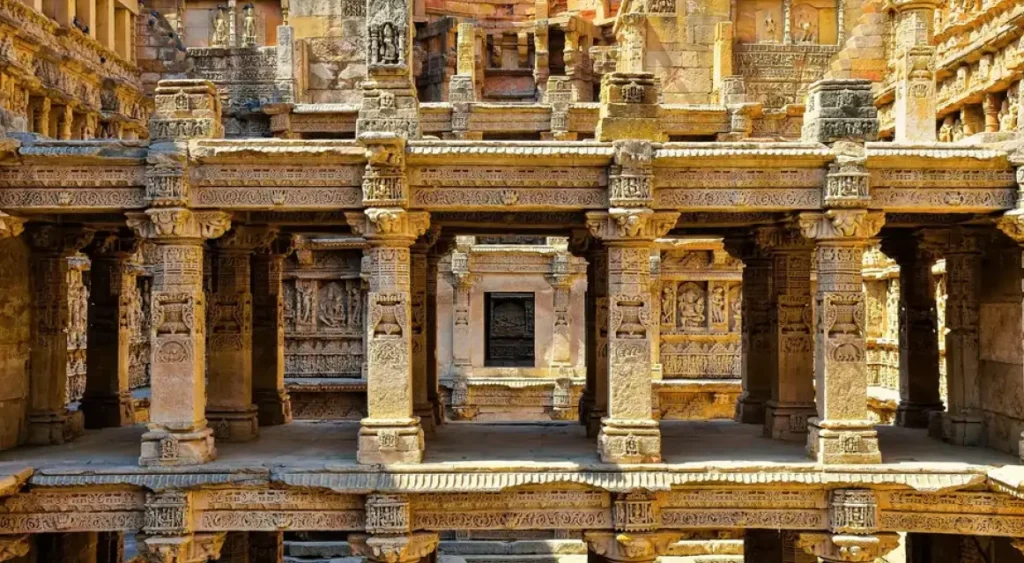
  Rajasthan, India’s largest state, is a land of contrasts and vibrant culture. Known as the “Land of Kings,” it boasts a rich history dating back thousands of years. The state is famous for its elaborate forts, intricately carved temples, and decorated havelis that were built by Rajput kings in pre-Muslim era.

The Thar Desert dominates the western part of the state, while the east is greener and more fertile. Rajasthan is home to several national parks and wildlife sanctuaries, including Ranthambore National Park, which is known for its tiger population.

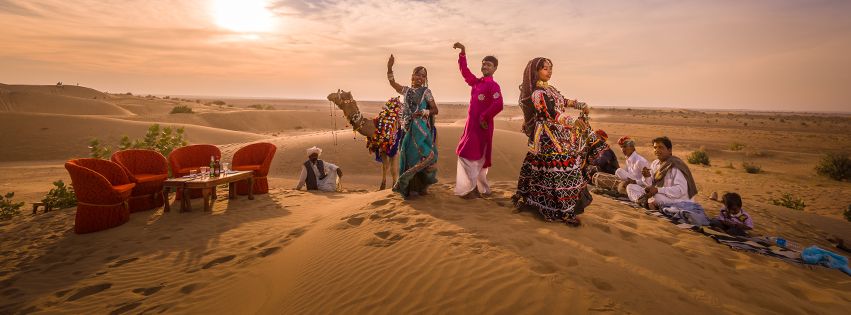
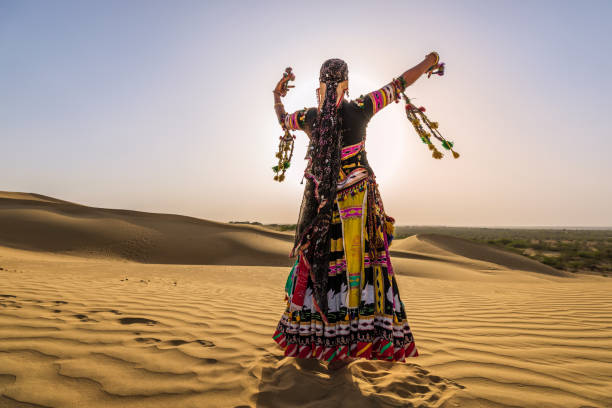
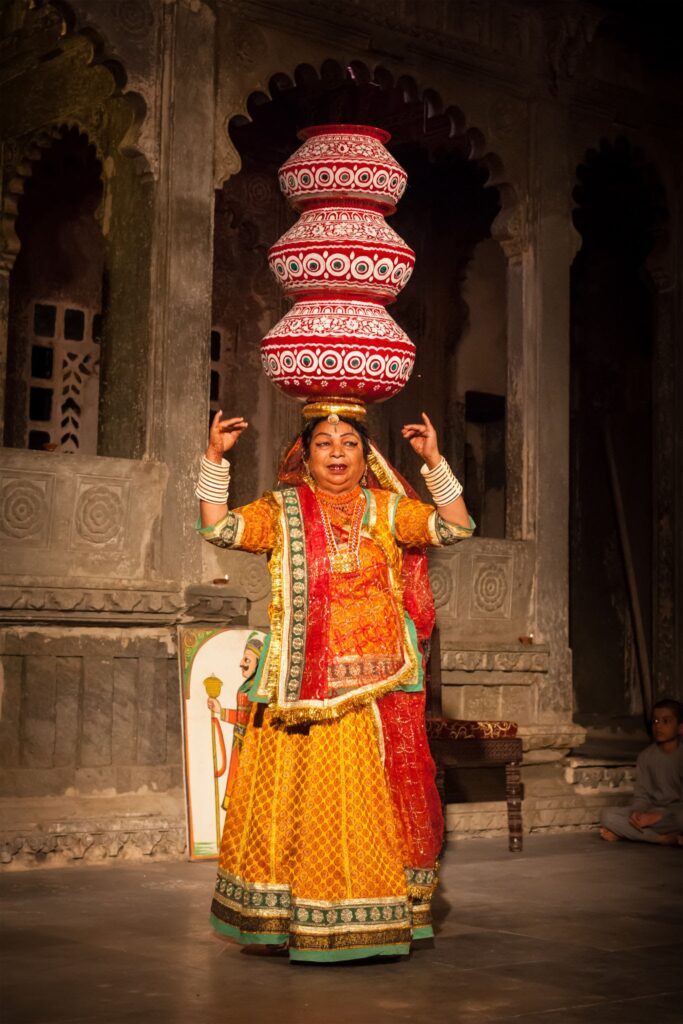
The culture of Rajasthan is as diverse as its landscape. The state is known for its traditional music and dance forms like Ghoomar and Kalbeliya, which have gained international recognition. Rajasthani cuisine is characterized by its spicy curries and delicious sweets, with dal baati churma being the most famous dish.

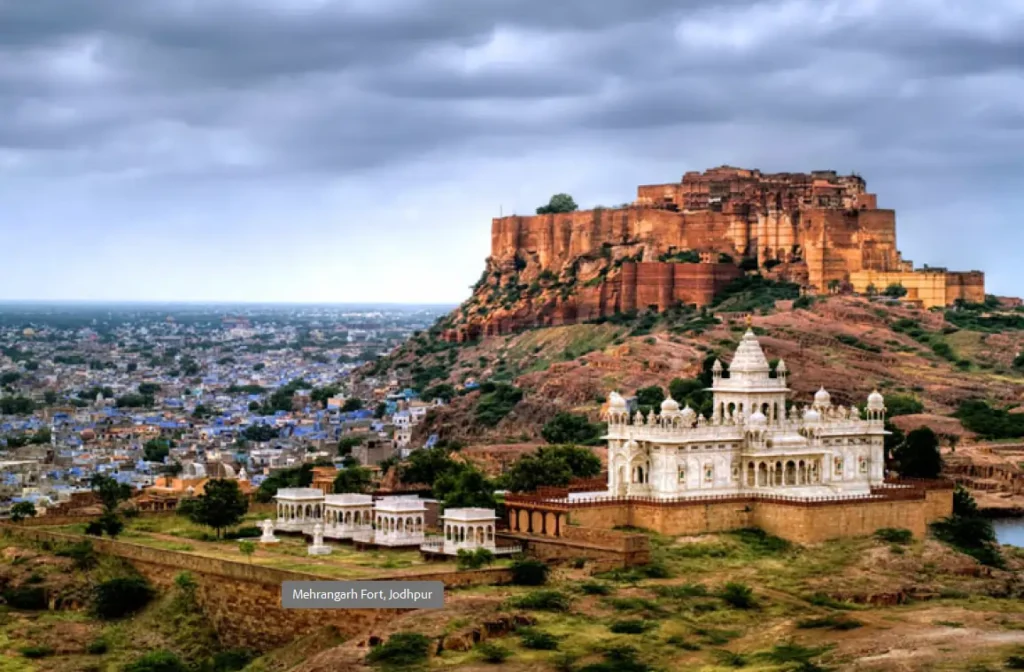
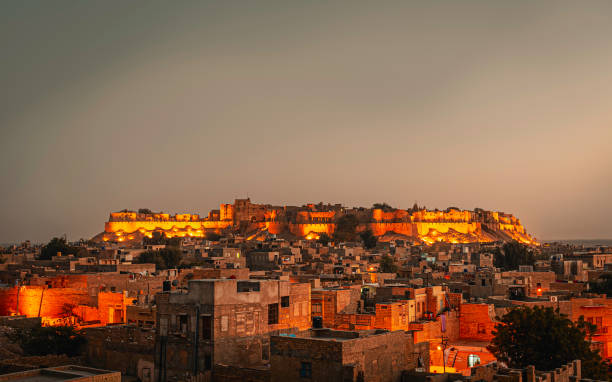
Rajasthan’s cities each have their own unique character – from the Pink City of Jaipur to the Blue City of Jodhpur and the Golden City of Jaisalmer. The state’s numerous festivals, including the Pushkar Camel Fair and Desert Festival in Jaisalmer, attract tourists from around the world.

Majestic Forts & Palaces

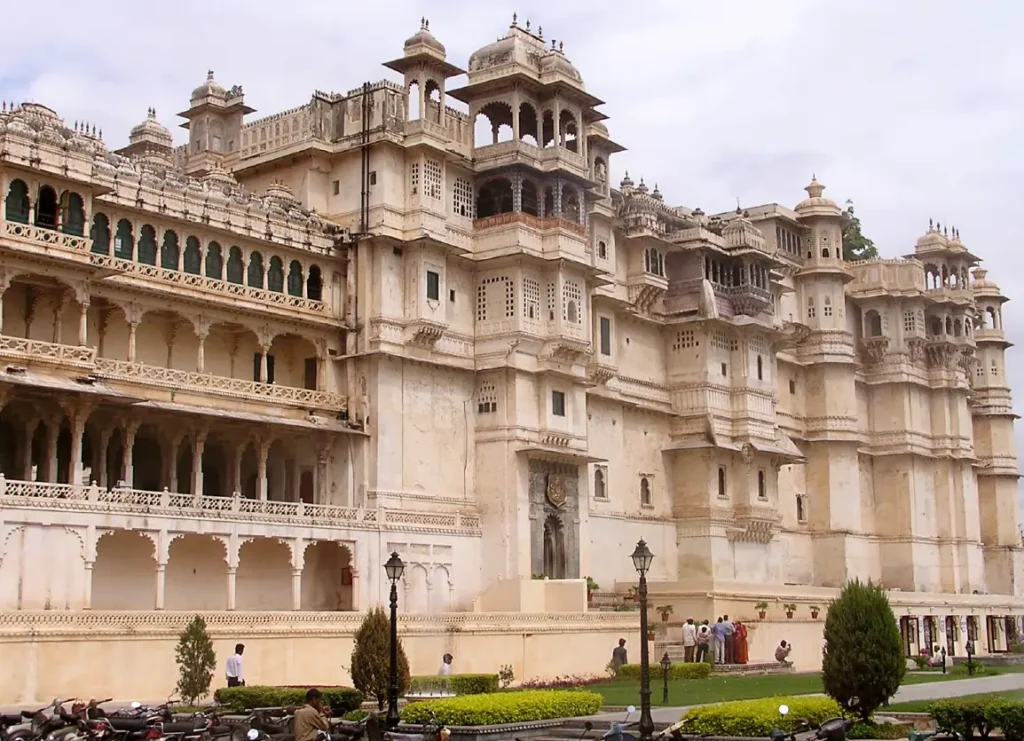
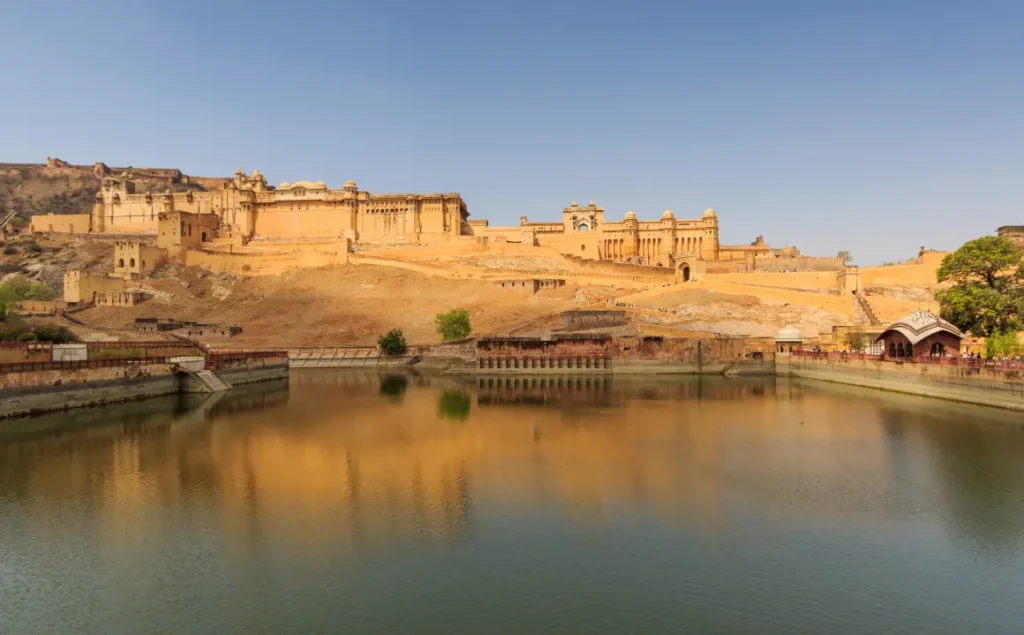
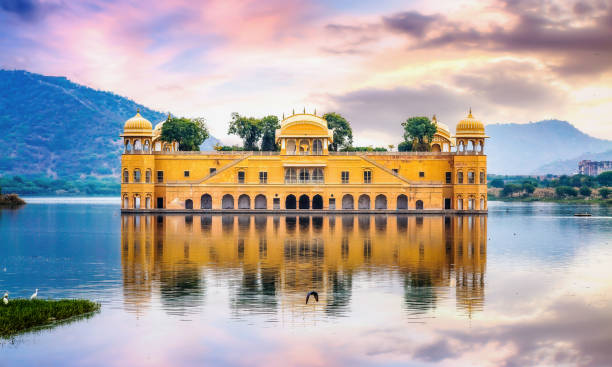
Rajasthan is home to some of India’s most magnificent forts and palaces, including Mehrangarh Fort, Amber Fort, and City Palace.

Delectable Cuisine

Experience the unique flavors of Rajasthani food, known for its spicy curries, baked breads, and sweet treats.

Vibrant Culture

From colorful turbans to traditional folk music and dance, Rajasthan’s culture is a feast for the senses.

Historical Significance


Rajasthan’s history is filled with tales of valor, romance, and tragedy. The Rajput warriors were known for their bravery and sense of honor, often choosing death over surrender. The state has seen many battles and has been ruled by various kingdoms including the Mauryans, Guptas, and Mughals.

The architectural heritage of Rajasthan is a testament to its glorious past. The hill forts of Rajasthan, a UNESCO World Heritage Site, include six magnificent forts: Chittorgarh, Kumbhalgarh, Ranthambore, Gagron, Amber, and Jaisalmer. These forts represent the power of Rajput princely states that flourished between the 8th and 18th centuries.

Rajasthan was also part of the ancient Indus Valley Civilization, with Kalibanga being one of its important sites. The state has played a significant role in the development of trade routes, connecting ancient India with Central Asia and the Middle East.
Plan Your Visit

The best time to visit Rajasthan is during the winter months from October to March when the weather is pleasant and suitable for sightseeing. Summers can be extremely hot, especially in the desert regions.

Rajasthan is well-connected by air, rail, and road. Major cities like Jaipur, Udaipur, and Jodhpur have airports with regular flights from Delhi, Mumbai, and other Indian cities. The rail network covers most tourist destinations, and roads are in good condition for those who prefer to drive.

When visiting Rajasthan, make sure to experience a camel safari in the Thar Desert, stay in a heritage hotel or palace, attend a traditional cultural show, and shop for handicrafts like blue pottery, leather goods, and precious stones.

Scroll to Top